Jim Fucetola, founder and president of Earthwise Seed, comments on the effects of hardscaping on adjacent lawns and offers advice on how to improve lawn health and performance.
By Cori Sears, The Spruce
Published June 26th, 2026
A well-designed landscape typically combines both hardscaping and softscaping elements, the two foundational components of outdoor design. Hardscaping includes the structural, non-living features of a yard, such as patios, walkways, retaining walls, and driveways, while softscaping encompasses living elements like trees, shrubs, flowers, and grass. But did you know that the hardscaping materials you choose can actually affect the health of the surrounding landscape?
It all comes down to permeability, or how easily water can move through a material. Some hardscaping materials are pervious, allowing water to soak into the ground, while others are impervious, causing water to run off instead. Understanding the difference can help you make smarter landscaping decisions, improve drainage, and support a healthier yard.
To learn more about pervious versus impervious hardscaping and how to choose the right option for your landscape, we spoke with two landscaping professionals. Here’s what they recommend.
Pervious vs. Impervious Hardscaping
First, it’s important to understand what classifies a hardscaping material as pervious or impervious. The key difference is whether the material allows water to pass through it.
Pervious materials are permeable, while impervious materials are solid surfaces that block water penetration. Common examples of pervious and impervious hardscaping materials include:
Impervious materials:
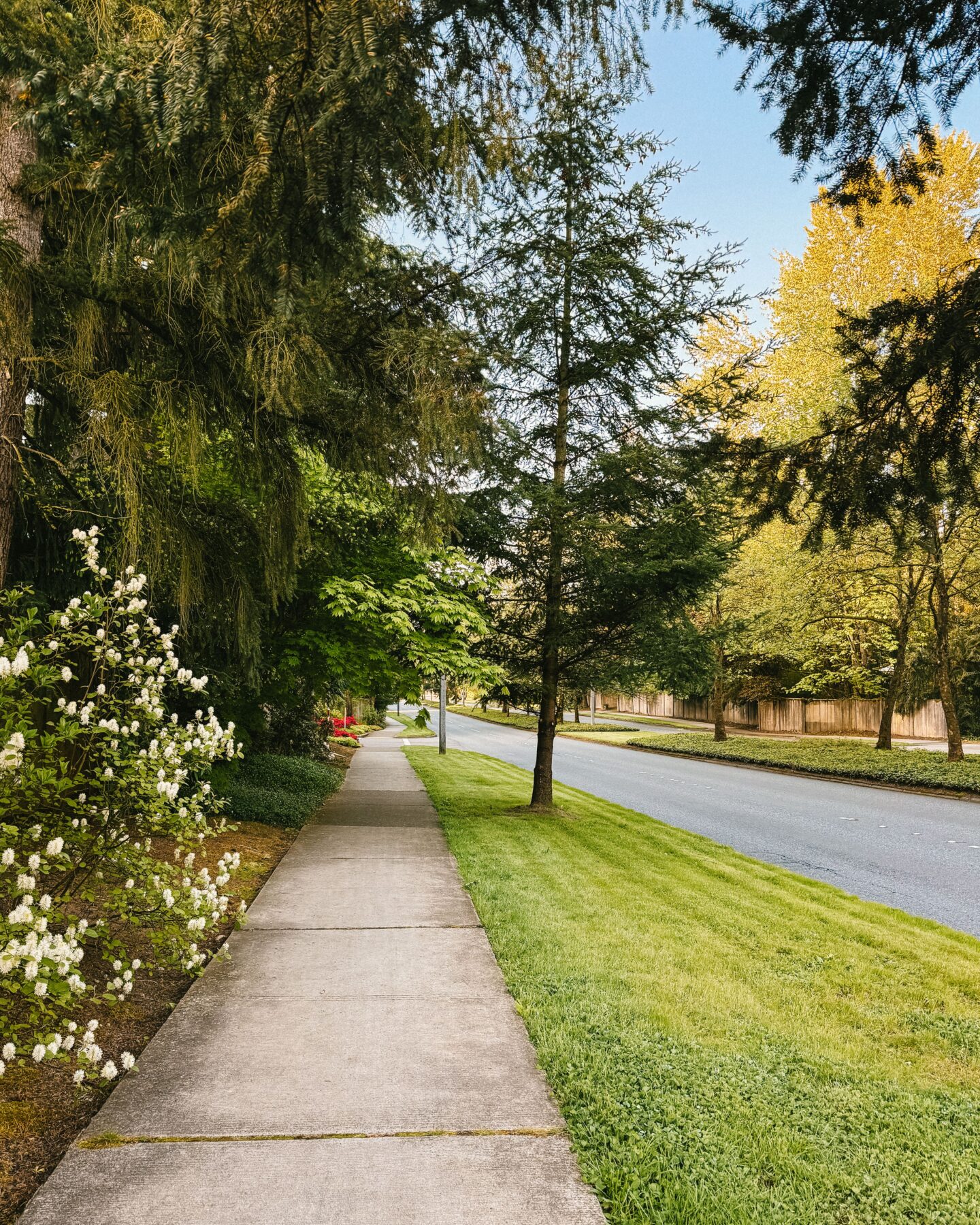
- Concrete patios and sidewalks
- Asphalt driveways
- Traditional pavers installed over compacted bases
- Artificial turf
Pervious materials:
- Permeable pavers
- Gravel pathways
- Decomposed granite
- Grass pavers
- Crushed stone walkways
The Effects of Hardscaping With No Drainage
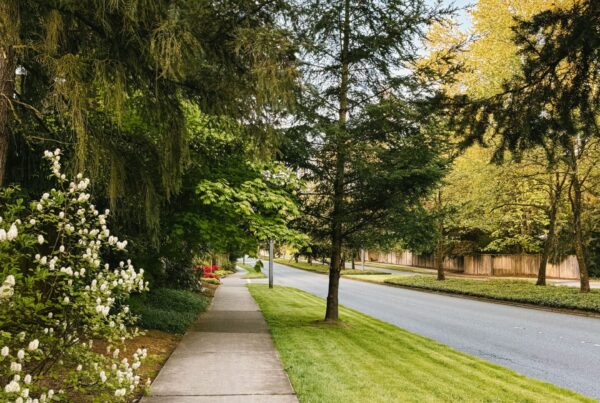
If you’ve ever noticed the grass directly beside your concrete or asphalt driveway struggling to grow well or yellowing more quickly in the intense summer heat, you’ve witnessed the impact of impervious hardscaping in real time.
Impervious materials are more likely to cause issues with runoff, erosion, and increased heat. It’s not necessarily that they are bad—impervious materials are some of the most common and popular hardscaping choices, after all—but the lack of permeability and increased heat reflection they generate can have noticeable impacts on the surrounding landscape, particularly the lawn.
“Impervious hardscaping materials such as concrete, asphalt, and artificial turf can affect the health of surrounding grass by limiting water infiltration, increasing reflected heat, and creating drier soil conditions nearby,” Jim Fucetola, horticulturist and founder and president of Earthwise Seed, explains.
In contrast, pervious hardscaping materials allow water to pass through to the soil, which can help support healthier root systems, reduce runoff, and create a more balanced environment for nearby grass and plants.
Read the full story here.