r.World Cracks the Code on Waste at Live Events
Pioneering sustainability strategist and movement builder Michael Martin shares insights learned from founding and scaling r.World, a reusable foodware solutions company that serves entertainment venues, campuses, and corporations.
Packaging World:
You indicate on your website that you pioneered recycling and composting of single-use cups at sports and entertainment venues, but found those solutions didn’t work. Why is that?
Michael Martin:
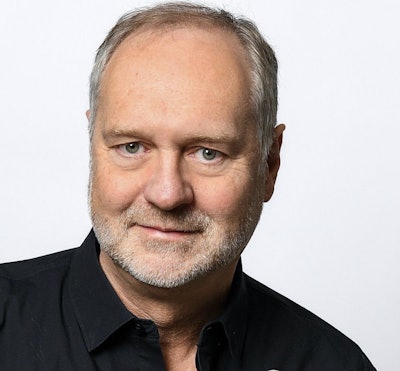
Michael Martin, founder and CEO, r.World
I spent 25 years trying to get people to recycle at live events. I’m the one who introduced recycling at live events back in 1990. There was never recycling before. Later I introduced composting. That had never been done before either. We attempted a variety of different strategies, including signage, gamification, and trash goalies [volunteers or staff members who monitor recycling and compost stations to prevent waste contamination]. Live Nation hired me to develop their sustainability strategy, and they gave me free rein. I eliminated all the plastic, replaced it with bioplastics and recycling, and we just had compost and recycle bins, no trash bins. It was a perfect solution.
After every live event, the cleanup crews leaf-blow or shovel everything on the ground, which is 80% of the waste, and throw it into a dumpster. And inevitably people [people attending the event] are drunk, and they throw things in the wrong bins. And so everything is co-mingled. So it’s a dirty little secret of the live event industry that, while they have recycling bins and compost bins, 90% it goes to landfill.
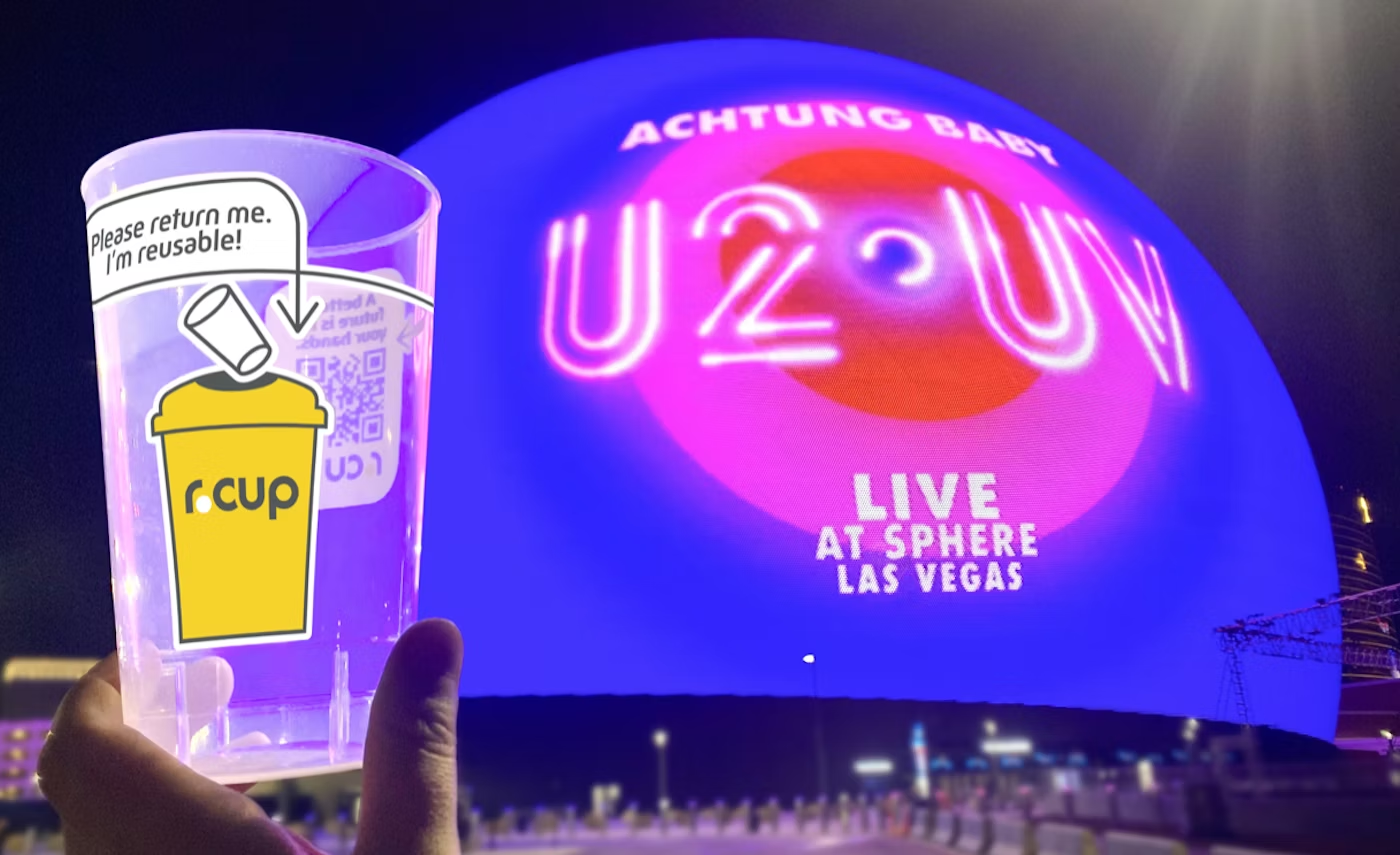
So I got really depressed for about six months. I spent 25 years at this point trying to make recycling and composting work. And then I remembered what I’d seen with U2 in Europe where they were doing a reusable cup system. That’s when I thought, “We got it. We think about reduce, reuse, recycle. That’s an order of priority, and we need to get people thinking about moving to reuse from recycle.”
Read the full interview with Packaging World at packworld.com.