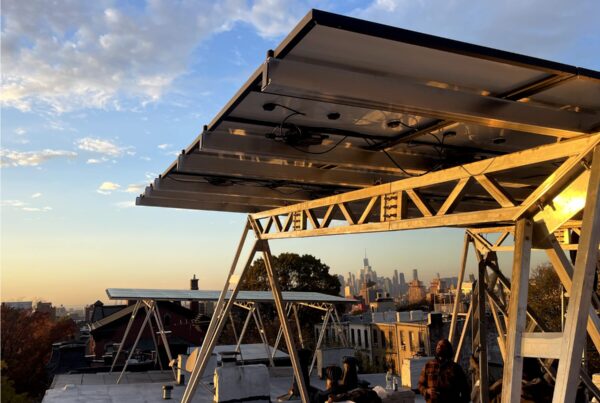
Brooklyn SolarWorks CEO and co-founder T.R Ludwig comments on a proposed bill that would increase regulation for battery energy storage systems in New York City.
By Erik Enguist – The Real Deal
Published March 28, 2026
Is it possible to write about battery storage without sapping your energy? I’m going to try.
After all, it’s a real estate story. And it features pandering politicians and paranoid constituents.
This month, City Council member Frank Morano fed some red meat to Tottenville constituents fighting a 16,000-square-foot battery storage project.
“As these battery storage facilities continue to be built across our city, including right here on Staten Island, we cannot rely on blind trust or internal monitoring alone,” Morano said.
His solution: a bill to pile more regulations onto what is already a long, thorough and arduous process.
Morano is saying he doesn’t trust the Fire Department, which already regulates battery systems. Of course, no Staten Island politician will actually say “I don’t trust the FDNY,” given the borough’s love for firefighters and cops. But how else should “we cannot rely on blind trust” be interpreted?
Battery energy storage systems are a relatively new lease or sale opportunity for property owners. They began operating on commercial sites in the city a few years ago.
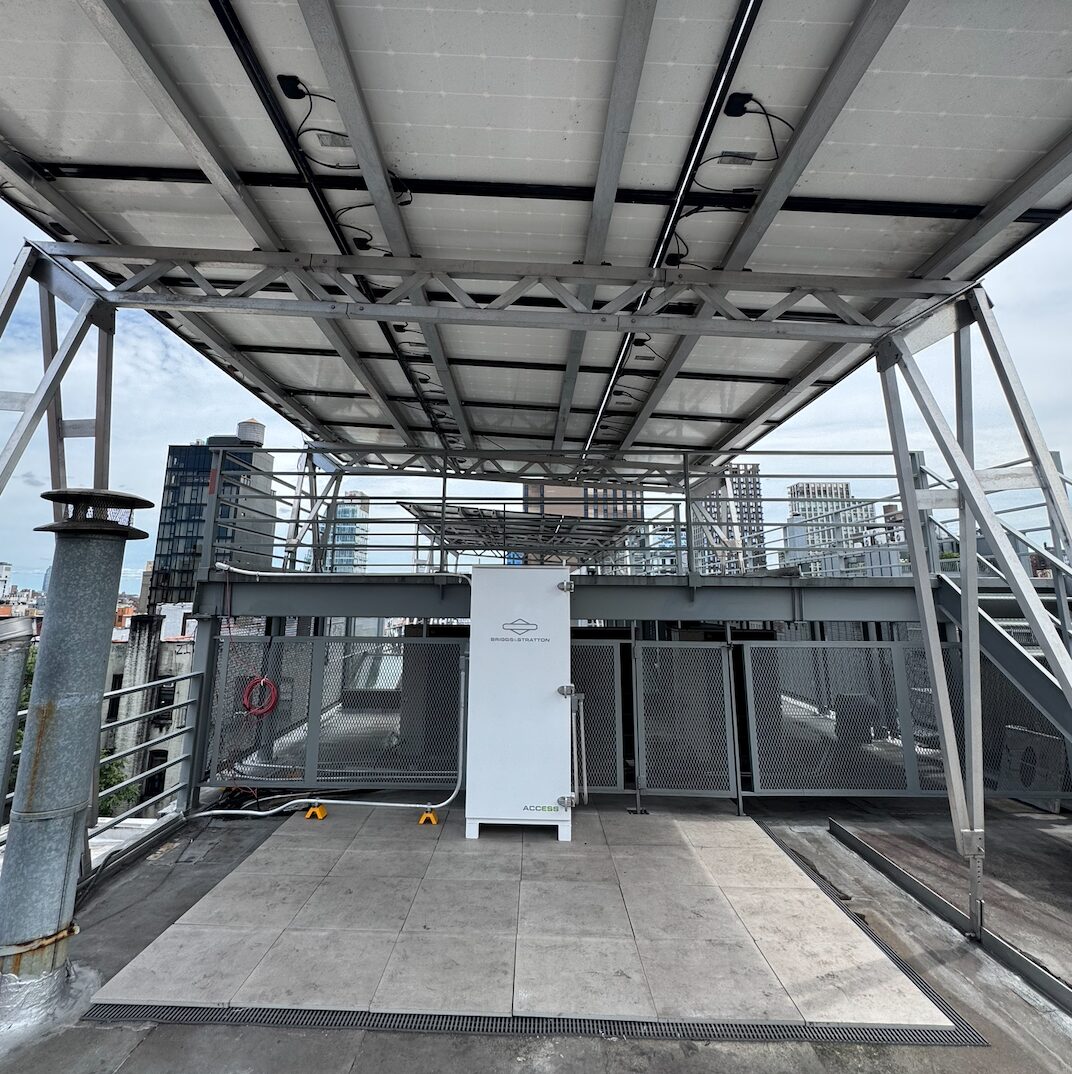
But the first residential BESS was completed only this month. It was installed on a Chinatown property by Brooklyn SolarWorks and Briggs & Stratton.
The project took nearly eight years. Most of that time was spent navigating what Brooklyn SolarWorks called the city’s “notoriously restrictive permitting guidelines for residential BESS systems.” The applicants said they even helped the city develop its permitting framework.
“There are some legitimate safety concerns, but anyone who says these batteries haven’t been tested beyond the extreme just doesn’t know what you have to do to get a battery approved in New York City,” T.R. Ludwig, CEO and co-founder of Brooklyn SolarWorks, said in an interview. “There’s an extreme amount of oversight. The FDNY is probably the most restrictive agency in the country when it comes to what’s required.”
Read the full story here.