Jared Lorraine, President and COO of Nichols Farms, speaks to the impact of the Iran war on Nichols’ pistachio exports and the food system as a whole.
By Mae Anderson, for The Associated Press
Published April 2nd, 2026
NEW YORK (AP) — The Iran war is making life more difficult for small business owners across the country, who are grappling with shipping complications, higher costs and consumers tightening their grip on their wallets.
A shoe designer is struggling to import its shoes from Vietnam; a pistachio grower has millions of dollars worth of pistachio exports sitting in the water; a home landscaper in Kansas City is stockpiling fertilizer as prices skyrocket; and a Chicago electronics store owner is facing pain at the pump.
Small business owners say the severe supply chain disruptions during the pandemic were worse — but they fear that if the war stretches on for months, it might start to come close.
“The costs are rising, the routes are changing, and capacity is tightening. It’s all happening at the same time, and that’s a perfect storm for small businesses,” said Brandon Fried, executive director of the Airforwarders Association, a trade group for U.S companies that move cargo through the supply chain on all modes of transport.
Stranded pistachios
The U.S. is the largest exporter of pistachios, followed by Iran, according to the U.S. Department of Agriculture.
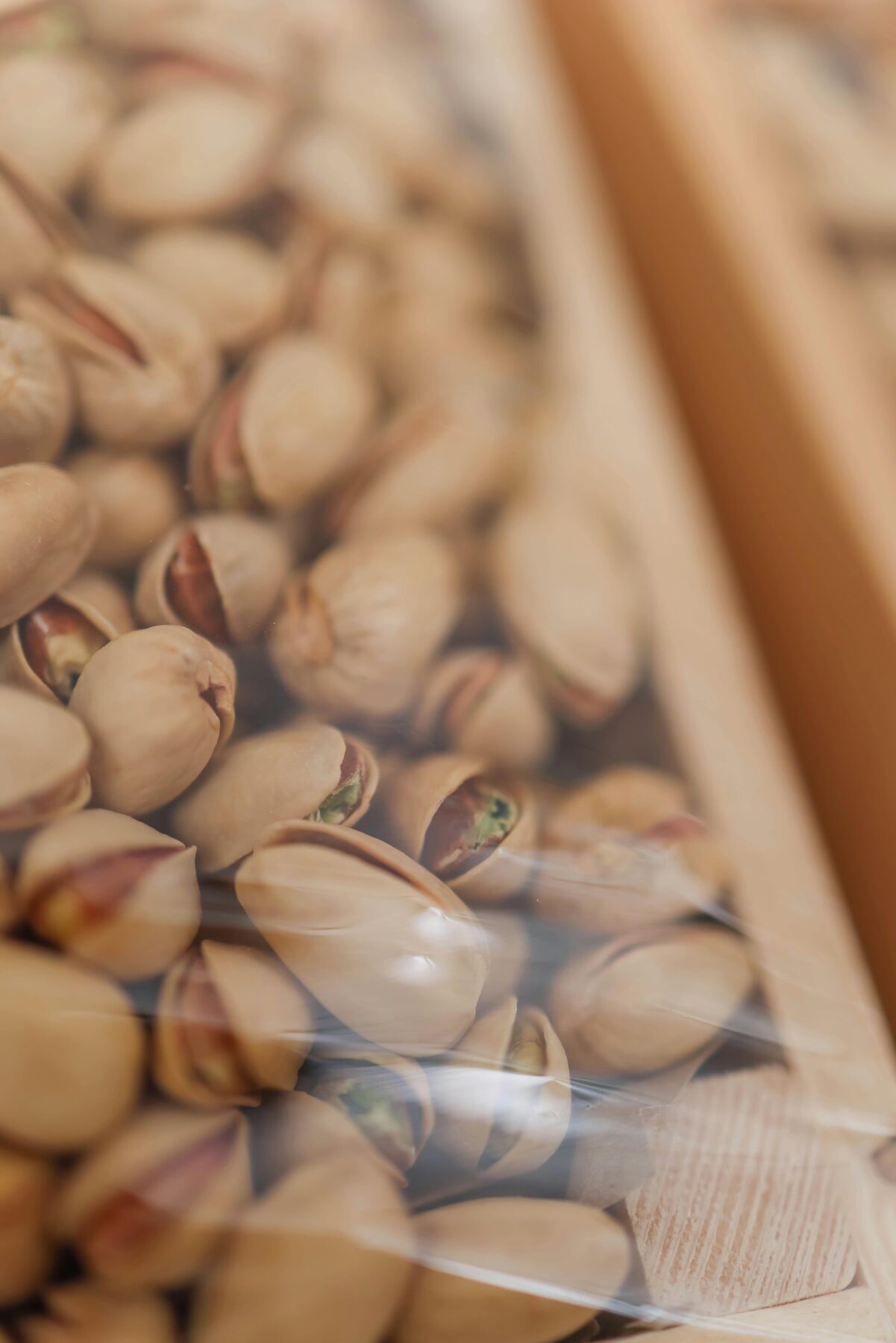
At Nichols Farms, in Hanford, California, a fourth-generation owned pistachio grower and processor, chief operating officer Jared Lorraine said exports make up about 50% of business. They ship to Europe, China and increasingly, the Middle East.
The effective closure of the Strait of Hormuz has made it impossible to deliver pistachios to several clients. When the war started, he estimates about $5 million worth of pistachios left stranded in the water, unable to be delivered to customers in Saudi Arabia, Iran and the United Arab Emirates.
“While much of the public attention has been focused on oil, which is significant, really, the destruction of the food system is I think equally as serious,” he said, adding 70% to 80% of food in the Middle East is imported.
When the U.S. bombed Iran on Feb. 28, Nichols Farms had about $5 million pistachios on ships that got stranded, Lorraine said. They managed to reroute some of the pistachios: one batch was offloaded in Jeddah, in Saudi Arabia, to be trucked to the UAE. Another two loads were able to make it into a port in Oman after being reloaded into a smaller container in India that could make it into that port. But $3.5 million still sits on the water.
“A lot of it has just been in limbo,” Lorraine said. “It’s literally been sitting idle for the last three weeks and we’re just saying, OK, what do we do?”
Read the full story here.